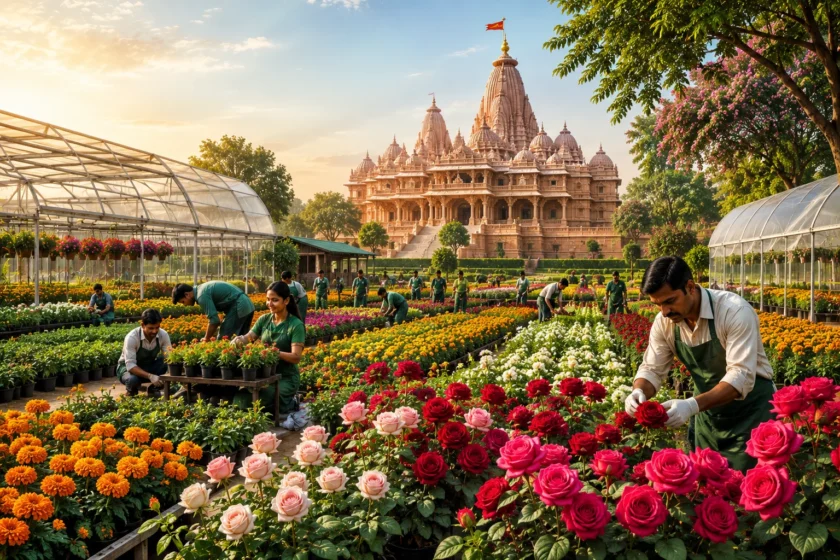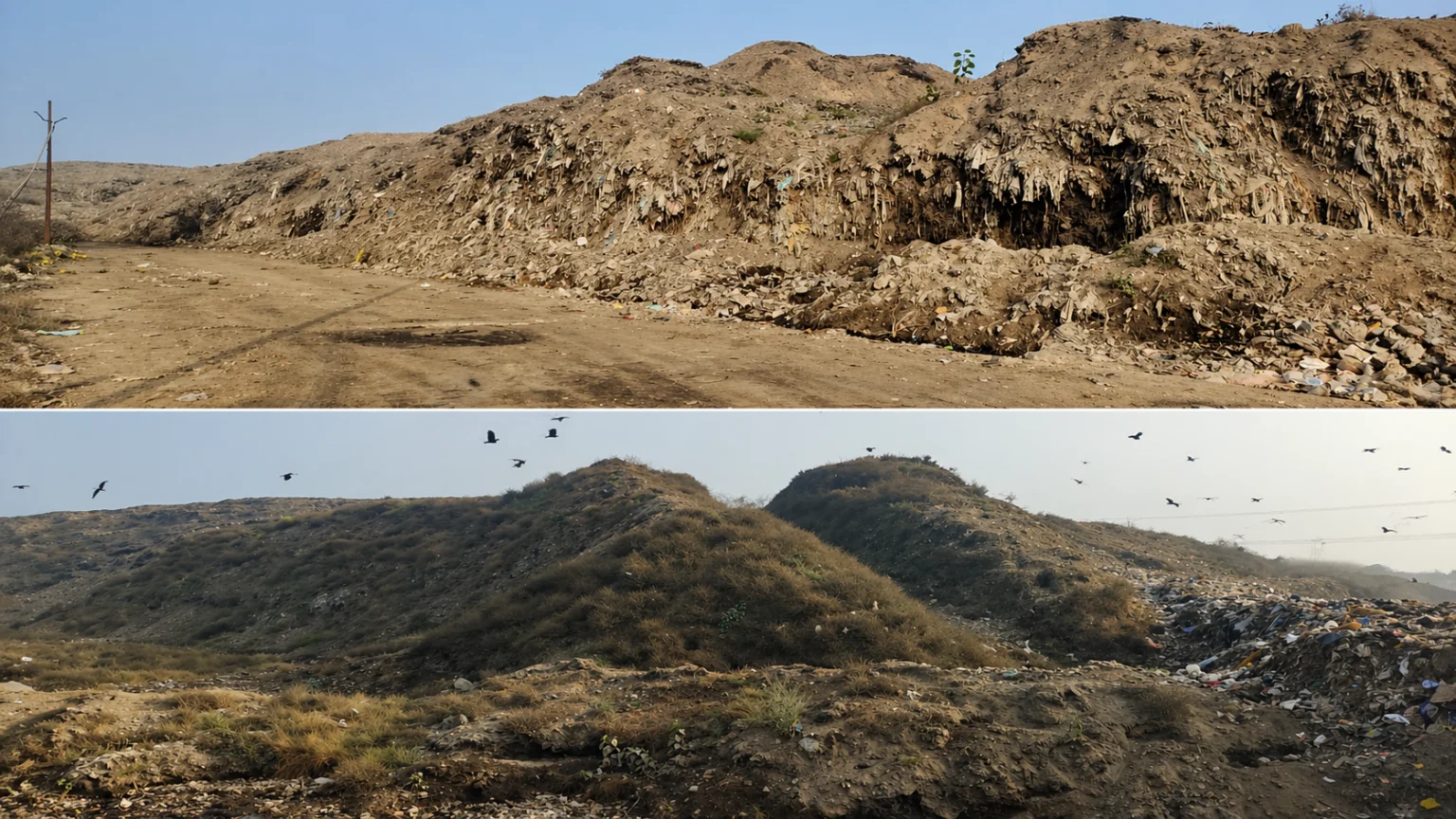
Varanasi: In a major environmental transformation initiative, authorities in Varanasi have accelerated efforts to eliminate the massive garbage dump at Karsada, paving the way for the development of a dense urban forest using advanced ecological techniques.
The long-standing dumping ground at Karsada Dumping Ground, which has accumulated waste for over a decade, is now undergoing scientific disposal through biomining. The municipal corporation has initiated a comprehensive plan to process approximately 126.4 million metric tonnes of legacy waste, marking one of the largest clean-up drives in the region.
Biomining to Tackle Legacy Waste
The biomining process involves segregating, treating, and scientifically disposing of accumulated waste. Expert agencies, including international collaborators, have been engaged to map the site and assess waste composition using advanced technologies.
Officials estimate that the disposal process could take one to one-and-a-half years, given the sheer scale of the waste accumulated over the years. The tendering process has been completed, and on-ground work is expected to intensify soon.
Miyawaki Forest to Replace Dumping Site
Once the waste is cleared, the reclaimed 25-acre land will be transformed into a dense forest using the Miyawaki Method—a Japanese afforestation technique known for rapid and high-density plantation.
The proposed forest will act as the city’s “green lungs,” significantly improving air quality, reducing pollution, and enhancing biodiversity in the urban landscape.

Addressing Pollution and Waste Challenges
The Karsada site has long been a source of foul odour and environmental concern for nearby residents. Currently, Varanasi generates 1,000–1,200 metric tonnes of solid waste (daily). To manage this, the city operates:
- A waste-to-compost plant with a capacity of 600 metric tonnes
- A waste-to-charcoal plant at Ramna with similar capacity
- A construction and demolition (C&D) waste plant producing bricks and tiles
Despite these facilities, legacy waste at Karsada remained a major challenge—now being addressed through this large-scale intervention.
Officials Highlight Environmental Impact
Municipal Commissioner Himanshu Nagpal stated that the project will play a crucial role in improving the city’s ecological balance. Mayor Ashok Kumar Tiwari emphasised that clearing the garbage mountain is a top priority and the Miyawaki forest will mark a significant step toward making Varanasi cleaner and greener.
A Greener Future for the City
The transformation of Karsada from a towering landfill into a thriving urban forest represents a shift towards sustainable waste management and environmental restoration. Once completed, the project is expected to not only reduce pollution but also provide a green recreational and ecological zone for residents.
With this initiative, Varanasi continues to move towards becoming a model city where development and environmental sustainability go hand in hand.